A catastrophic injury rarely empties only the present paycheck. It empties the next forty years of paychecks, raises, promotions, and retirement contributions that would have followed if…

Life Care Plans in Oklahoma Catastrophic Injury Cases
In a catastrophic injury case, the largest verdict number is almost never the past medical bills or accrued lost wages. It is the future cost of care,…
Types of Paralysis After a Spinal Cord Injury
When a spinal cord injury case reaches a courtroom or a settlement table, the most important medical fact is rarely the cause of the crash. It is…
Concussion vs Traumatic Brain Injury: Medical and Legal Differences
Most people use “concussion” to mean a mild knock to the head and “traumatic brain injury” to mean something dramatic that lands a person in the ICU….
Oklahoma Survival Claims Explained
When a person dies because of someone else’s negligence, Oklahoma law gives the family two distinct civil remedies, not one. A wrongful death action compensates the surviving…
Wide-Turn Truck Crashes and Liability in Oklahoma
A wide-turn truck crash happens when a tractor-trailer driver swings into an adjacent lane to set up a turn, then sweeps the trailer across that lane completing…
Underride Truck Accidents in Oklahoma
An underride crash is one of the most catastrophic outcomes possible on an Oklahoma highway. A passenger car strikes the side or rear of a tractor-trailer and…
Mild TBI Litigation in Oklahoma: Proving an Invisible Injury
Mild traumatic brain injury cases turn on proof. A client who walked away from a rear-end crash, scored a 15 on the Glasgow Coma Scale, and showed…
Notice Proof in Oklahoma Slip and Fall Cases
Proving that a property owner knew about a dangerous condition before someone got hurt is one of the most contested issues in Oklahoma slip and fall litigation….
Negligent Security Claims in Oklahoma: When Property Owners Are Liable | Hasbrook & Hasbrook
When a violent crime occurs on someone else’s property, the criminal who committed the act carries primary responsibility. Oklahoma law recognizes a second, separate question: did the…
Comparative Fault in Oklahoma Slip and Fall Cases
When someone falls on another person’s property, the property owner is not automatically responsible for everything. Oklahoma’s modified comparative fault system means a jury weighs every party’s…
Big-Box Retailer Slip-and-Fall Liability in Oklahoma | Hasbrook & Hasbrook
Big-box retail stores move millions of Oklahoma shoppers through hundreds of thousands of square feet of constantly trafficked floor space. Refrigerated aisles drip condensation onto tile, food…
Open-and-Obvious Defense in Oklahoma Slip-and-Fall Cases
When a slip-and-fall injury occurs at a retail store, parking lot, or rental property in Oklahoma, the property owner’s insurer often raises the open-and-obvious defense quickly. If…
Landlord Liability for Common Area Injuries in Oklahoma
When a tenant or guest is hurt in a hallway, stairwell, laundry room, or parking lot at a rental property, the central legal question is: who had…
The First 48 Hours After a Truck Accident: What to Do in Oklahoma
A collision with a commercial semi-truck differs from a standard car accident in ways that directly shape your legal claim. Trucking companies maintain rapid-response teams trained to…
What to Do After a Dog Bites Your Child in Oklahoma
If a dog bites your child, what you do in the hours immediately after matters as much as anything that happens later in a legal claim. This…
Child Seating Position in Cars | Oklahoma Law
Where a child sits in a car, and what restraint they ride in, is one of the most consequential safety decisions a parent makes. It is also…
When Are Truck Drivers Required to Take Breaks?
Federal regulations set firm limits on how long truck drivers can stay behind the wheel before taking mandatory rest. Under 49 CFR Part 395, the Federal Motor…
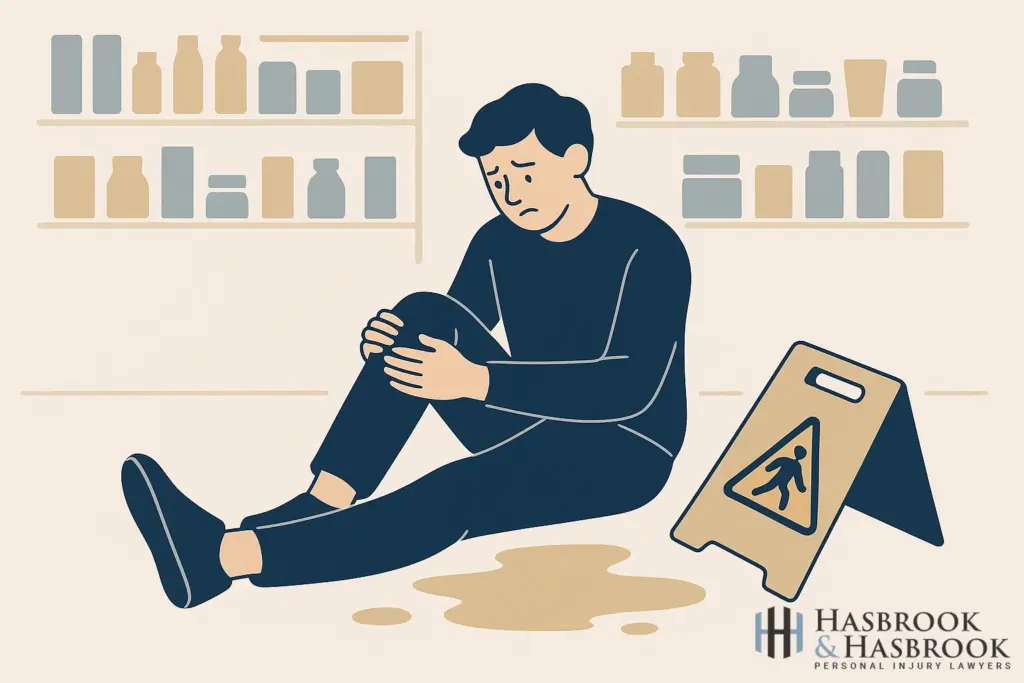
How Much Is My Slip and Fall Case Worth in Oklahoma?
How much is your slip and fall case worth? That depends on the severity of your injuries, where the accident happened, who was at fault, and how…
How Much Does Car Insurance Go Up After an Accident?
Car insurance rates jump an average of 42 to 50 percent after an at-fault accident, which translates to roughly $872 more per year, according to a U.S….
How an Oklahoma Bike Accident Claim Works
A bike accident claim proceeds through a series of steps: documenting the crash, proving fault, filing an insurance claim, negotiating a settlement, and, if needed, taking legal…
Should You Talk to the Other Driver’s Insurance Company After a Crash?
After a car accident, you might receive a call from the other driver’s insurance company within hours. The adjuster sounds friendly and concerned about your well-being. However,…
How Car Accident Claims Change When Multiple Cars Are Involved
Multi-vehicle collisions create chaos on Oklahoma roads. They also bring overwhelming complexity to the legal process that follows. When multiple cars are involved in pile-ups, determining fault…
Ice and Snow Slip and Fall Liability in Oklahoma
Oklahoma winters bring ice storms that turn parking lot entrances, building approaches, and sidewalks into hazards overnight. When you slip and fall on ice or snow at…
Can You Reopen a Car Accident Claim After Settling?
A settlement issues that may arise happens when an auto accident victim accepts payment from the insurance company in exchange for closing the claim. Many people later…
How Weather Conditions Affect Liability in Oklahoma Car Accidents
The Federal Highway Administration reports that nearly 21% of all vehicle crashes in the U.S. are weather-related. In Oklahoma, where rain, ice, snow, and strong winds are…
What to Do If the Other Driver Doesn’t Have Insurance After a Car Accident
Knowing what to do after a crash is critical. It can make a huge difference in both your physical recovery and your ability to file a successful…
The Oklahoma Statute of Limitations for Personal Injury Cases
If you’ve been hurt in Oklahoma, there is a limited amount of time available to file a personal injury lawsuit. This deadline is called the statute of…
Filing Claims Against Underinsured Drivers After an Accident
Imagine you’re in a car accident, and the other driver is at fault, but they only have the minimum required insurance. Unfortunately, their coverage is far less…

How to Calculate Pain and Suffering in Car Accident Cases
In a car accident case, the value of physical pain and emotional suffering can be difficult to determine. While medical bills are clear and easy to calculate,…